
Tree Care Challenges in Victorville: What High Desert Conditions Mean for Tree Technicians
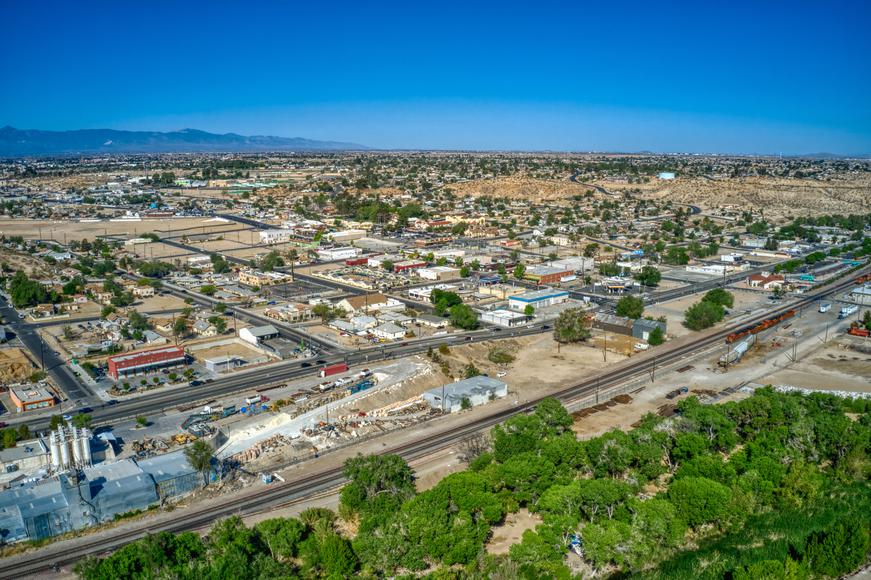
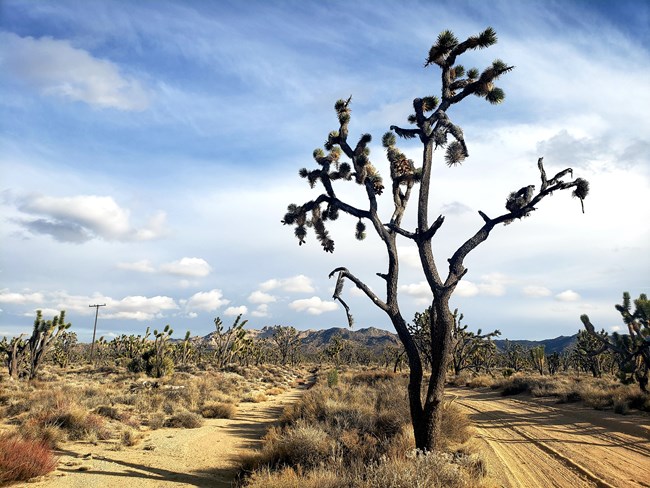


Tree technicians working in Victorville operate in one of the toughest environments in California. Located in the Mojave High Desert, this region presents a unique combination of extreme heat, drought, wind exposure, and soil challenges that directly impact tree health and safety.
If you’re a homeowner or property manager in Victorville, understanding these challenges explains why professional tree care is essential — not optional.
1. Extreme Heat and Prolonged Drought
Victorville regularly experiences triple-digit temperatures during summer. Extended drought conditions stress trees beyond their natural tolerance.
How This Impacts Trees:
- Chronic dehydration and leaf scorch
- Root system contraction
- Increased susceptibility to pests
- Sudden limb drop due to stress
Tree technicians must:
- Adjust pruning schedules to avoid heat shock
- Recommend deep-root irrigation strategies
- Identify early signs of drought stress before irreversible damage
Improper pruning during peak heat can kill a tree in high desert conditions.
2. Alkaline and Nutrient-Poor Soil
High desert soils in Victorville tend to be:
- Sandy or compacted
- High in alkalinity
- Low in organic matter
This creates nutrient lockout, where trees cannot absorb essential minerals even if fertilizers are applied.
What Professionals Must Do:
- Conduct soil testing
- Use specialized amendments
- Apply slow-release or root-zone targeted nutrients
- Improve soil structure with organic matter
Without proper soil management, even mature trees struggle to survive long-term.
3. High Winds and Storm Damage

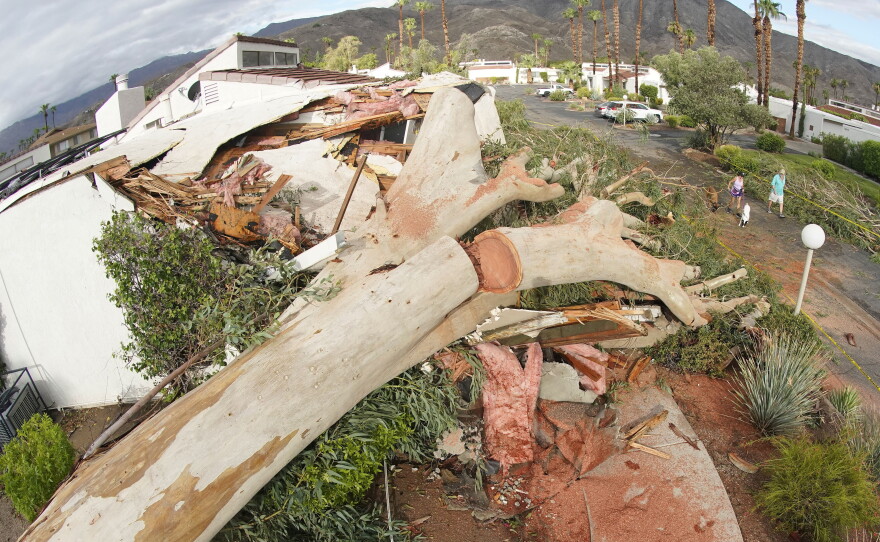

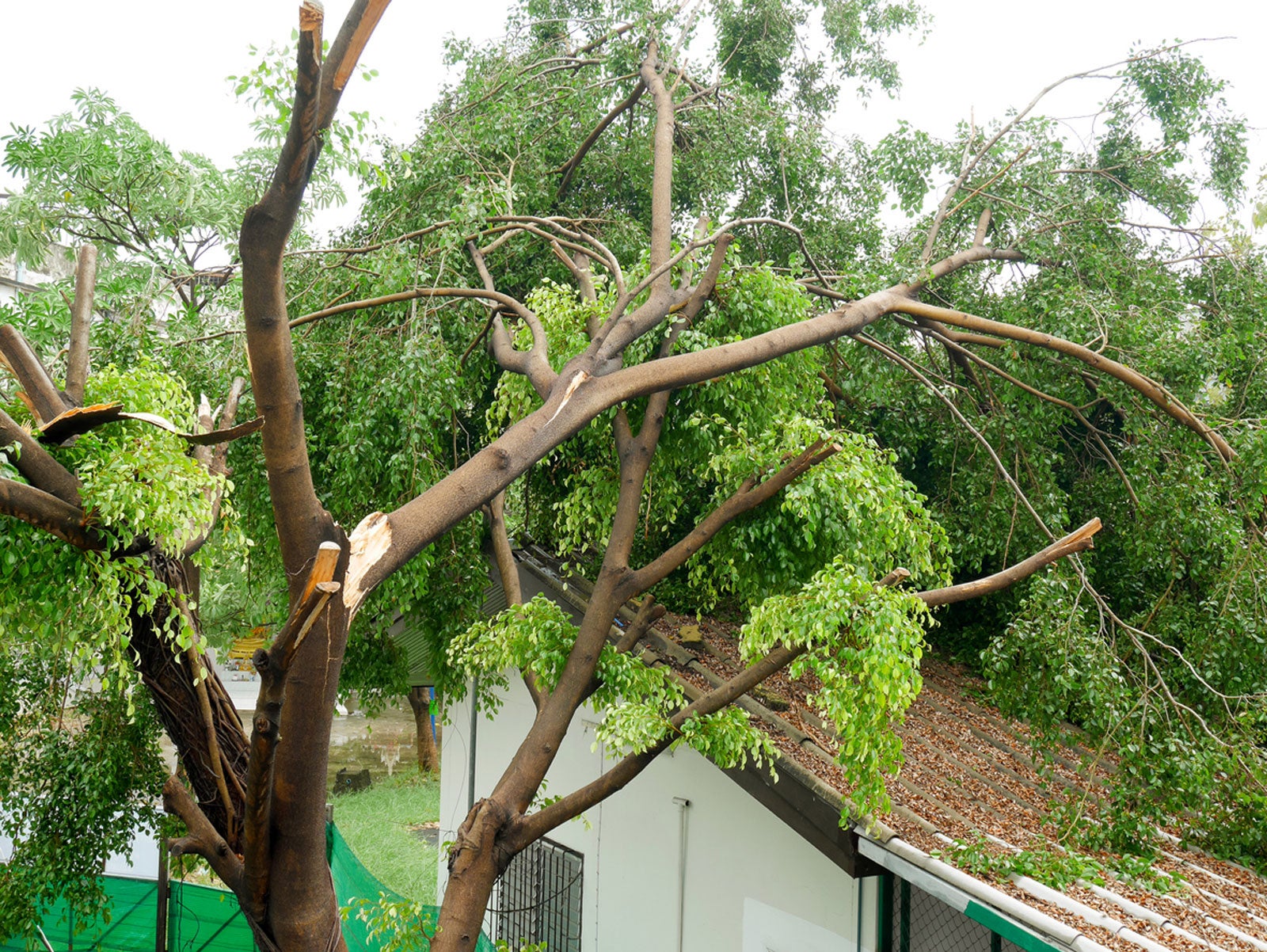
Victorville is no stranger to strong desert winds. Wind events can uproot shallow-rooted trees or snap limbs weakened by drought.
Common Risks:
- Top-heavy canopy structures
- Improperly pruned trees
- Shallow root systems
-
Deadwood becoming airborne hazards
Tree technicians must:
- Perform structural pruning
- Remove hazardous limbs
- Assess root stability
- Provide emergency storm response
Safety becomes a top priority — both for crews and homeowners.
4. Desert-Specific Pests and Disease
Heat-stressed trees become prime targets for pests such as:
- Bark beetles
- Borers
- Aphids
In dry climates, infestations spread quickly because weakened trees lack the moisture needed to produce defensive sap.
Tree technicians must:
- Identify infestations early
- Apply appropriate treatments
- Remove heavily infested trees to prevent spread
Prevention is significantly more cost-effective than removal.
5. Water Restrictions and Irrigation Management
California water regulations and desert scarcity create irrigation challenges. Overwatering can be just as damaging as underwatering in sandy soil.
Professionals must:
- Design efficient drip systems
- Prevent root rot
- Monitor salt buildup from reclaimed water
- Educate property owners on proper watering schedules
Smart irrigation is survival in Victorville.
6. Fire Risk and Defensible Space
High desert communities are vulnerable to wildfire conditions.
Tree technicians often:
- Create defensible space zones
- Remove dead or highly flammable vegetation
- Thin canopies to reduce fire ladders
- Maintain clearance around structures
This is not just landscaping — it’s property protection.
7. Equipment and Safety Challenges
Working in Victorville means:
- Heat exhaustion risk for crews
- Equipment overheating
- Dust affecting machinery and respiratory safety
- Hard, compacted soil complicating removals
High desert tree work requires both physical endurance and technical expertise.
Why Professional Tree Care Matters in Victorville
Tree care in Victorville isn’t the same as tree care in coastal or temperate regions. The Mojave High Desert creates conditions that accelerate stress, decline, and hazard potential.
Hiring a knowledgeable local tree technician ensures:
- Trees are pruned for desert survival
- Soil and irrigation strategies are optimized
- Wind and fire risks are reduced
- Long-term property value is protected
In a climate this harsh, proactive care is far less expensive than emergency removal.